- Late model motorcycle with all fuel
- 3 – 4 Star Motorcycle Friendly Hotels with breakfast
- Welcome dinner
- Guide / rider
- Daily refreshing (2-3 times a day)
- Vietnam visa
- Airport transfer on day 1 & day 11
- Entrance fees


Guided Tour

11 days / 10 nights • Guided • 1430 mi / 2300 km
This 11-day Vietnam Laos big bike motorcycle expedition covers roughly 2,000 kilometers from Hanoi into northern Laos and back, crossing the border at Nam Xoi into Sam Neua and riding south through Phonsavan, Luang Prabang, and Muang Xai before returning via Dien Bien Phu, Sa Pa, and Vu Linh.
Tour highlights
day 1: 170 km
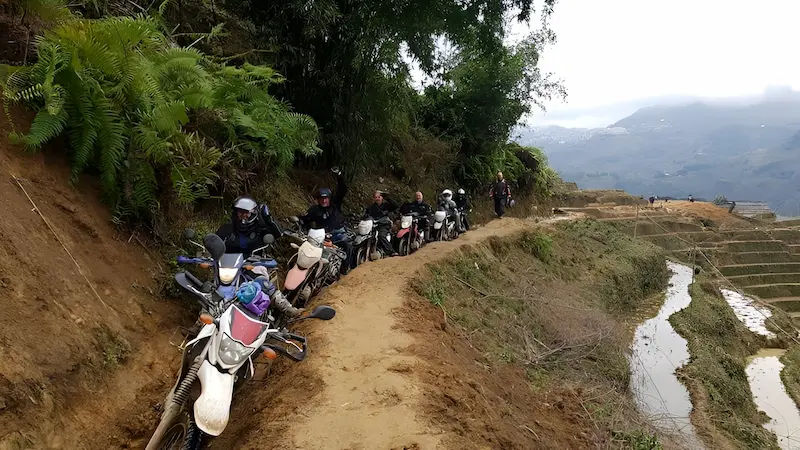
The route runs 160 kilometers southwest from Hanoi to Pu Luong Nature Reserve, passing Hoa Binh Dam before dropping onto quiet back roads through rice terraces and narrow valley tracks. Roads are paved with some rough sections through the reserve. You stay the night at a local homestay inside Pu Luong.
day 2: 290 km
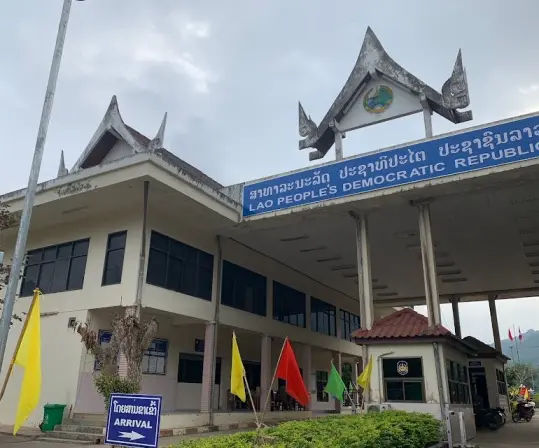
Crossing into Laos, the road drops through dense jungle and limestone peaks on empty back roads with long hairpin sections all the way into Sam Neua. Before reaching town, the route passes Vieng Xai caves, a wartime underground city used by the Pathet Lao, and the standing stones on the valley floor. Overnight at a hotel in Sam Neua.
day 3: 240 km
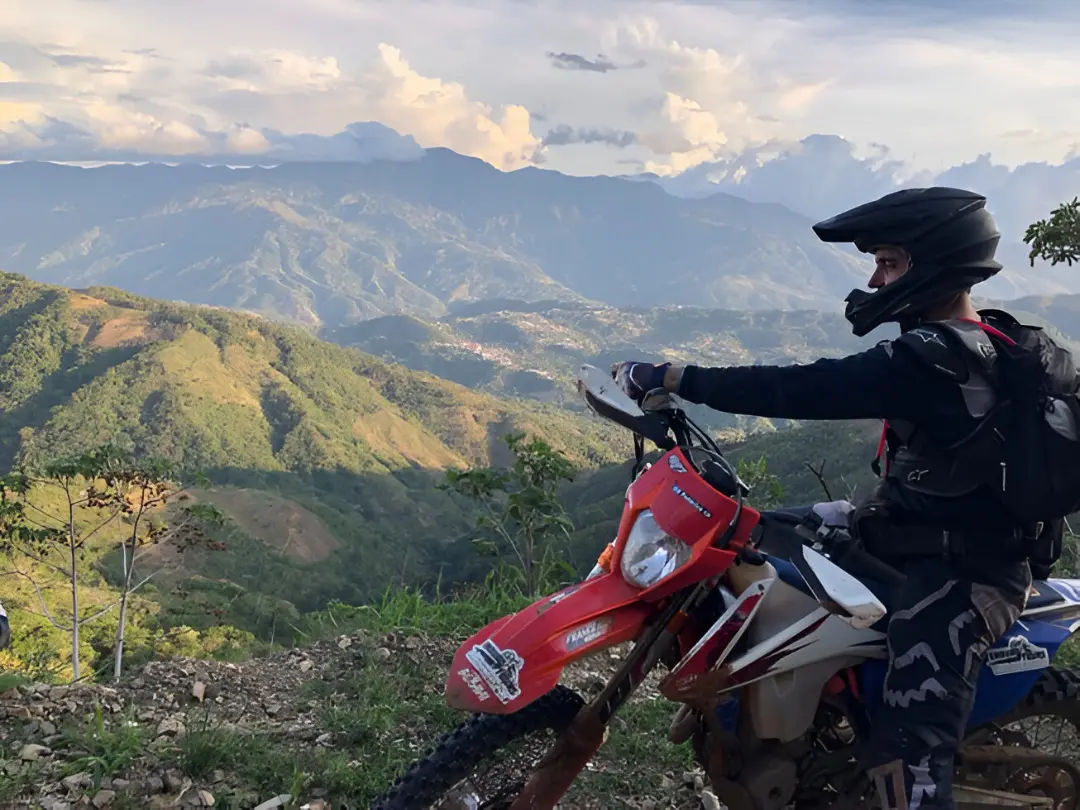
High-altitude roads run south from Sam Neua through mist-covered peaks and hill tribe villages before the terrain opens onto the Xieng Khouang Plateau. The Plain of Jars sits at 1,100 meters, with over 2,000 ancient stone vessels scattered across open grassland, many still surrounded by unexploded ordnance (UXO) from American bombing campaigns between 1964 and 1973. The route also stops at Tham Piew Cave, where a 1969 rocket strike killed over 400 villagers sheltering inside.
day 4: 250 km
The road south runs through jagged ridges and dense jungle before a detour into Muang Khoun, the old royal capital of Xieng Khouang, where French colonial ruins and the 14th-century Wat Phia Wat temple sit largely untouched. Tight hairpins give way to long open stretches before the descent to the Mekong. The day ends at Luang Prabang, a UNESCO-listed town of 33 temples, colonial streetscapes, and the Pak Ou Caves carved into a limestone cliff above the river.
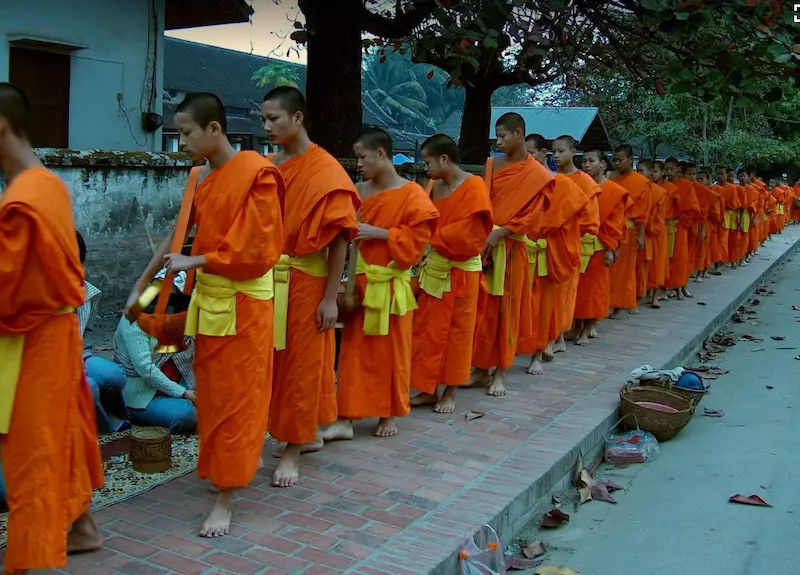
day 5: No Ride
A rest day in Luang Prabang. The morning starts with the tak bat alms-giving ceremony on Sisavangvong Road, where monks collect offerings at dawn. From there, the route options include the hike to Mount Phou Si at 100 meters above the old quarter, the 29-kilometer ride to Kuang Si Falls and its turquoise limestone pools, or time on the Mekong before the road resumes the next morning.

day 6: 200 km
The ride north from Luang Prabang runs through rolling hills and dense forest on quiet roads that mix smooth pavement with tight curves through remote Khmu and Hmong villages. The route climbs steadily into Laos’ rugged northwest, passing ethnic minority settlements with little traffic and open ridgeline views. The day ends in Muang Xai, where the Oudomxay Museum covers the province’s hill tribe cultures and its role as a supply hub on the Ho Chi Minh Trail.
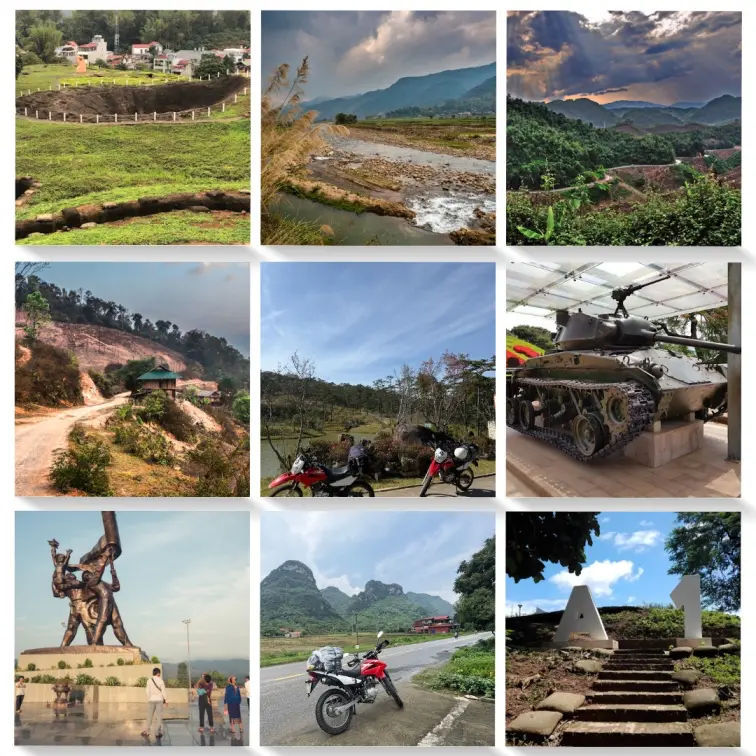
Day 7: 230 km
The road runs east through dense forest along the Nam Phak River, climbing to the Tay Trang border crossing back into Vietnam before descending into Dien Bien Phu valley. The 1954 battle here lasted 56 days and ended with 16,000 French troops surrounded and defeated by the Viet Minh, closing French colonial rule in Indochina. The route stops at Hill A1, the site of the final Viet Minh assault, and De Castries’ bunker, the French command post where General de Castries surrendered on May 7, 1954.
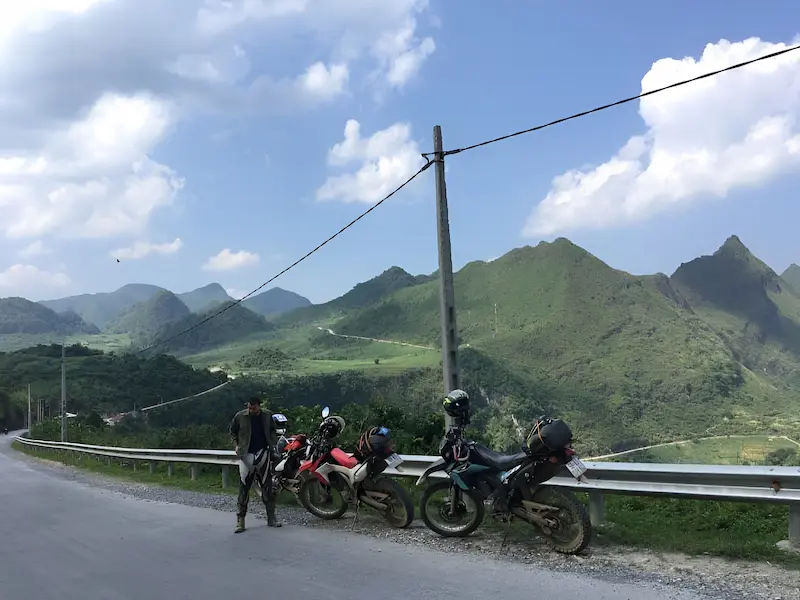
Day 8: 200 km
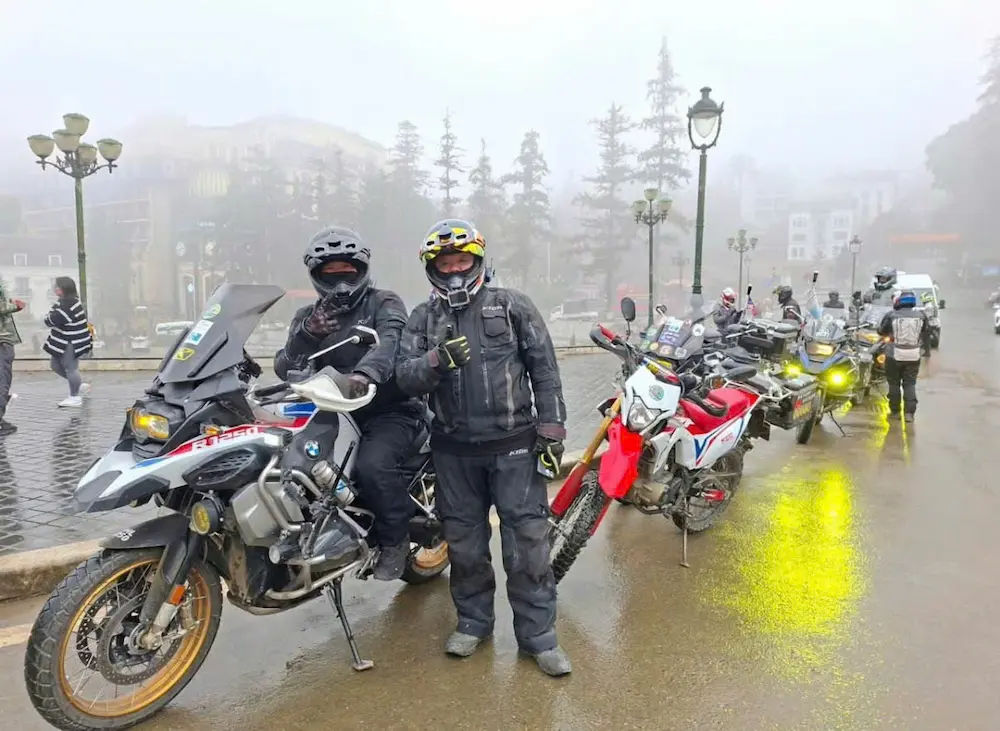
The route climbs east from Dien Bien Phu onto O Quy Ho Pass, at 2,000 meters the longest of Vietnam’s four great mountain passes, with mist-covered forest, sheer limestone cliffs, and open views across the Hoang Lien Son range where Fansipan rises to 3,143 meters. The descent drops into Sa Pa, a hill town at 1,500 meters in Lao Cai province, home to Black Hmong and Red Dao communities. The afternoon covers Cat Cat village, a Hmong settlement built into the valley below Sa Pa, and the local market where ethnic minority traders sell handwoven textiles.
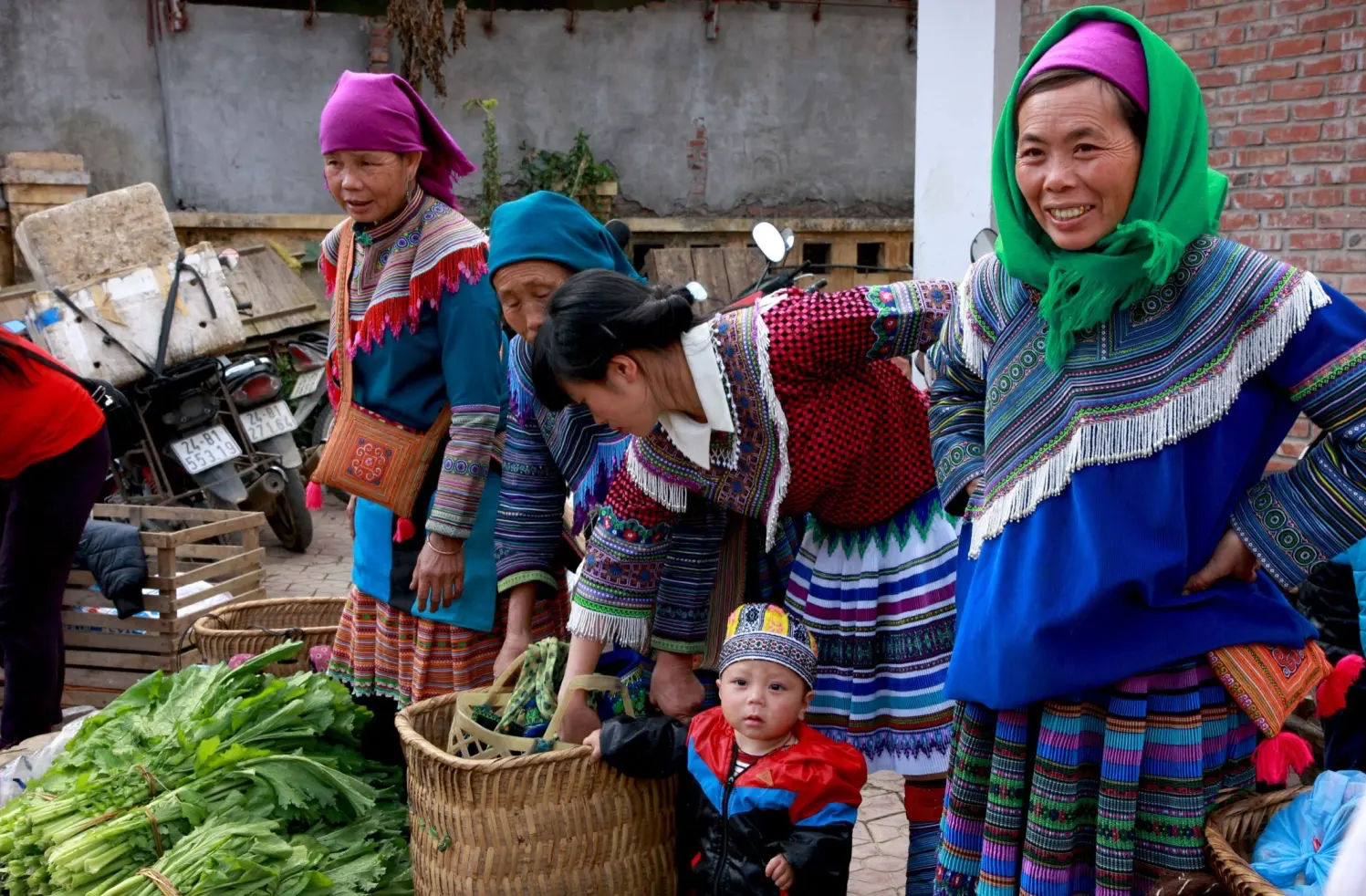
Day 9: No Ride
A rest day in Sa Pa at 1,500 meters. Options include the hike to Dragon’s Jaw Mountain, a limestone peak with open views over the Muong Hoa Valley and terraced fields dropping to the valley floor, or a return visit to Cat Cat village for the weaving workshops and waterfall trail. Western restaurants and local tea houses line the main streets for a slower afternoon, and several spas in town offer traditional herbal saunas used by the Red Dao community for muscle recovery after long days on the bike.
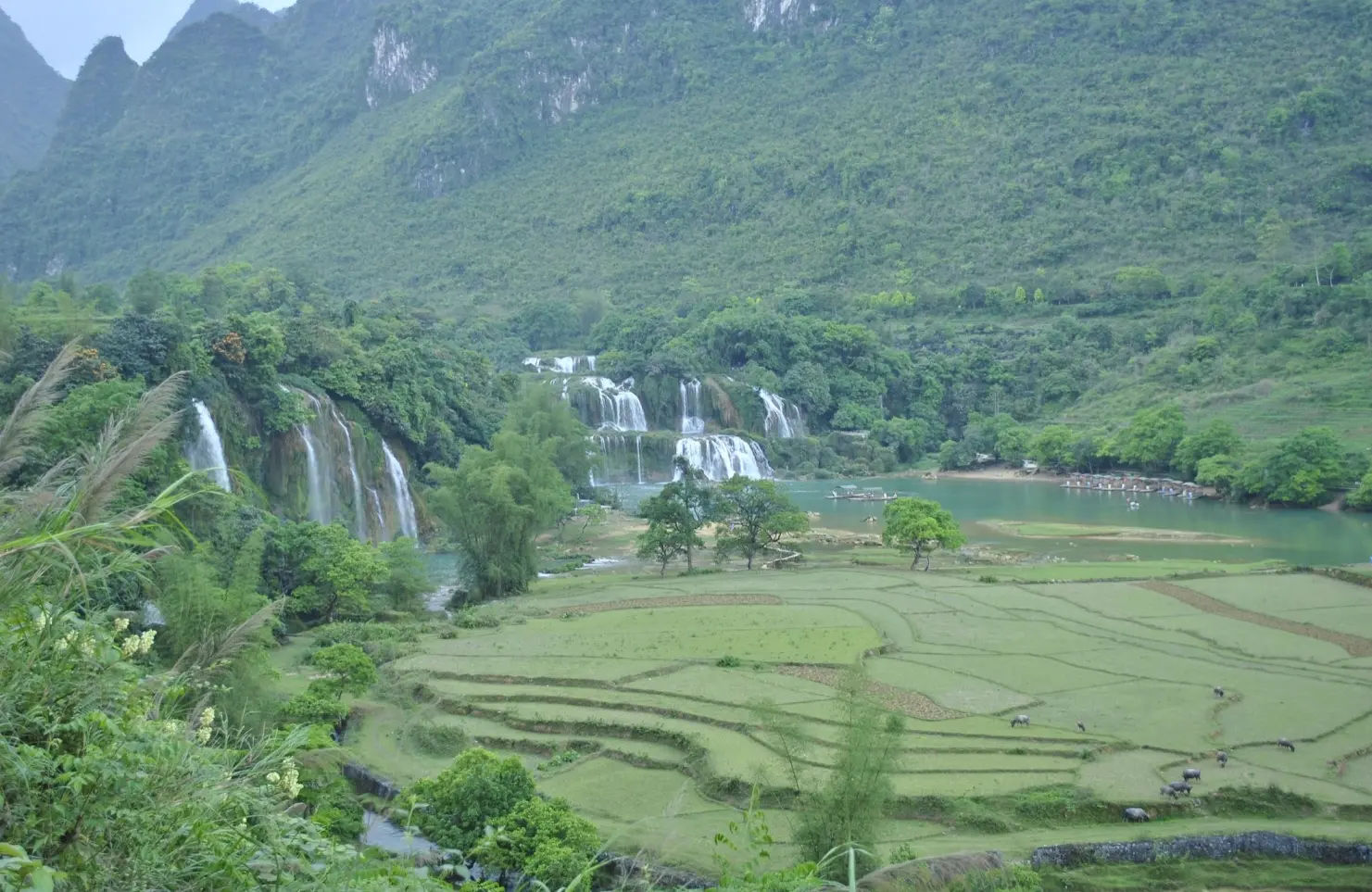
Day 10: 250 km
The road descends from Sa Pa through the Muong Hoa Valley on quiet backroads before running southeast to Thac Ba Lake, a 23,400-hectare reservoir in Yen Bai province scattered with over 1,300 small islands. A boat trip crosses the lake to Vu Linh village, home to a Dao community where traditional herbal practices and textile weaving remain in daily use. The evening includes a traditional dance performance and a home-cooked meal at a family-run homestay on the lakeshore.
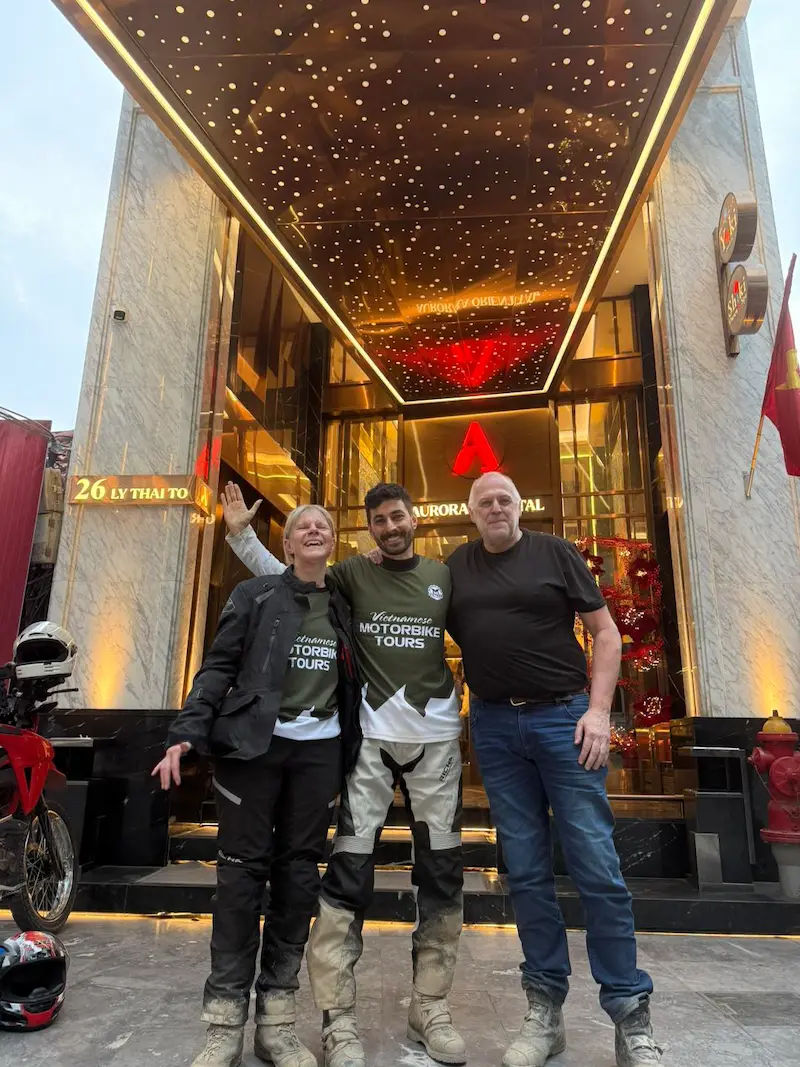
Day 11: 170 km
The final day runs south from Vu Linh on lakeside roads through tea fields and quiet river valleys back to Hanoi. The route passes the Victory Monument in Nghia Lo before the countryside gives way to the capital’s outskirts. The ride arrives before evening traffic, ending with a final team debrief in Hanoi.

USD 1,400 / Per Person

USD 1,980 / Per Person

USD 1,900 / Per Person
USD 2,500 / Per Person
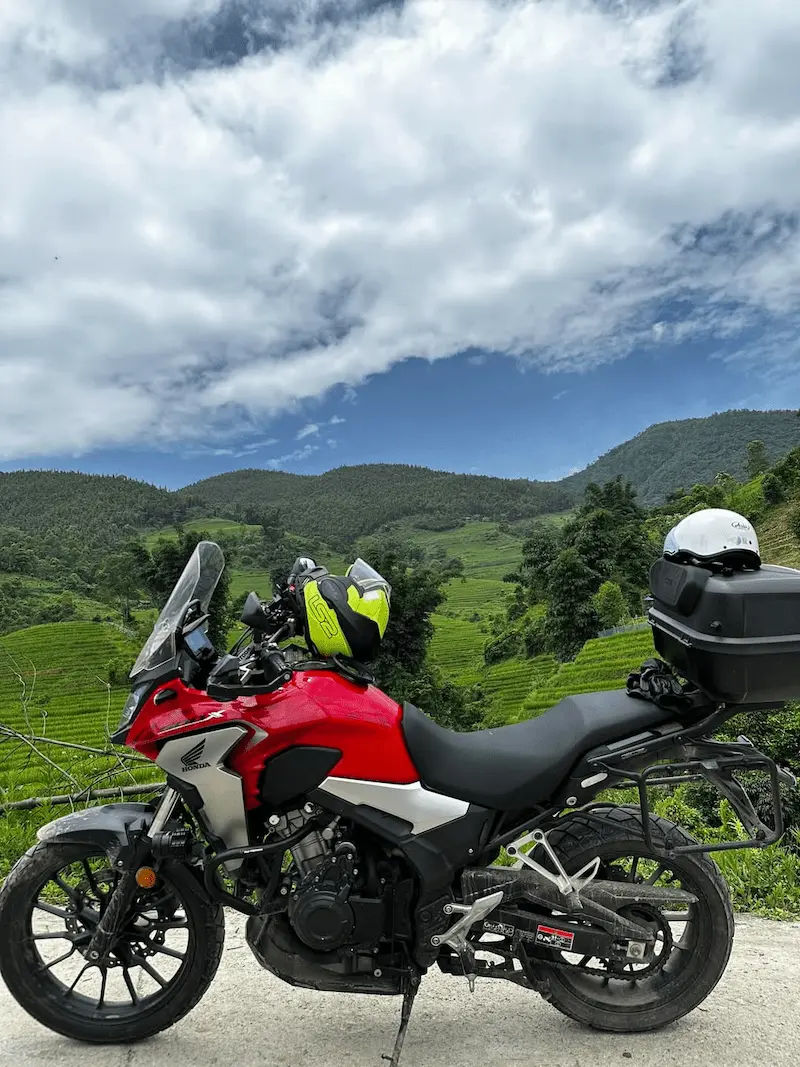
This tour runs on a mix of mountain passes, paved back roads, and light off-road sections. We offer three bikes. The XR150 is lightweight and easy to handle on tight hairpins and village tracks. The CRF300 adds off-road capability for rougher sections through Pu Luong and the Laos highlands. The CB500X is the most comfortable option for longer daily distances. In Laos, i can prepare Royal Enfleid scrambler 400 as well. All above options are both comfortable and sutable for this trip.
November to April is the best time for this tour. Skies are clear, mountain passes are dry, and the border crossing at Tay Trang is reliable. The wet season runs May to October and brings rain, mud, and slippery roads on the highland sections through Pu Luong, the Laos highlands, and O Quy Ho Pass.
I recommend bringing your own jacket, gloves, and boots for fit and comfort over 11 days.